



Drum Smoking vs. Pellet Smoking: Why Drum Smoking Takes the Lead

Drum Smoker vs Pellet Smoker — Which Is Right for You?
The great drum smoker vs pellet smoker debate comes down to two choices: the hands-on control and bark of a drum smoker, or the convenience and consistency of a pellet rig. Both cook great BBQ. Both have devoted followings. At Big Poppa Smokers, we've been using both setups for over 15 years — in backyards, at competitions, and on catering jobs. The truth is simpler than the debate: the best smoker is the one you'll actually use. This guide breaks down the real differences between drum and pellet smokers so you can make the choice that fits your BBQ style, budget, and schedule.
The Drum Smoker Advantage: Bark, Learning, and Value
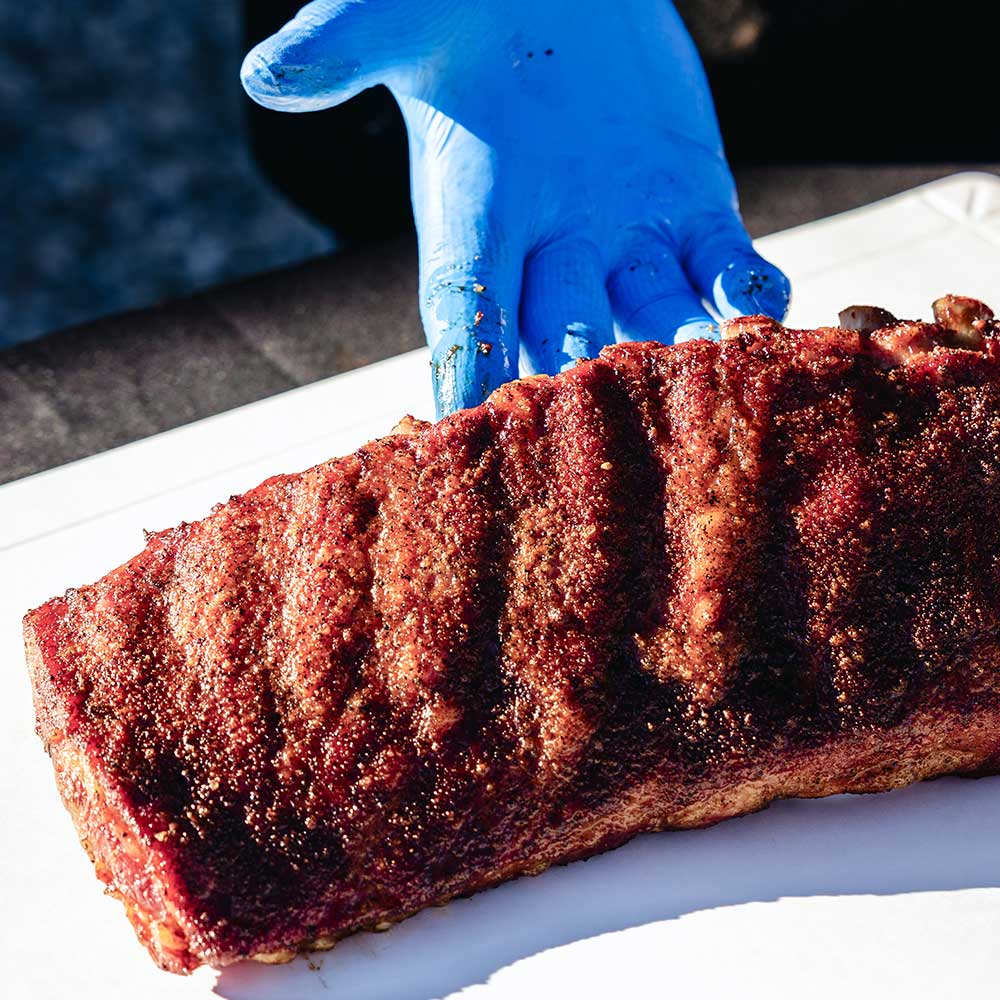
Drum smokers are the foundation of competition BBQ because they produce superior bark and teach hands-on heat control. Big Poppa Smokers uses drum smokers on the competition circuit specifically because bark is non-negotiable. If you're chasing color, texture, and the deep smoke ring that judges reward, a drum is your weapon. The charcoal heat is direct, intense, and unforgiving — which makes it perfect for learning.
A Big Poppa Smokers Drum Smoker kit starts around $200, making it the most affordable entry point to serious BBQ. The simplicity is deceptive — you're learning the fundamentals that apply to every cooker on the market.
Why do drum smokers build better bark?
Drum smokers expose meat to direct radiant heat from burning charcoal, which caramelizes the rub into a thick, crunchy bark. The Maillard reaction and sugar caramelization happen faster and more intensely. Pellet smokers use indirect convection heat, which is gentler and won't build the same level of bark complexity. Big Poppa Smokers applies this principle at every competition — bark matters, and drums deliver it.
What's the real cost difference over time?
Pellets burn faster — you'll use more total fuel on a 12-hour cook. Charcoal in a drum lasts longer per pound. If you're running weekly cooks, charcoal costs 30–40% less over a year. Neither fuel is expensive, but drums have a clear advantage on fuel economy. Over 5 years of regular cooking, that savings compounds significantly.
The Pellet Smoker Advantage: Convenience and Consistency
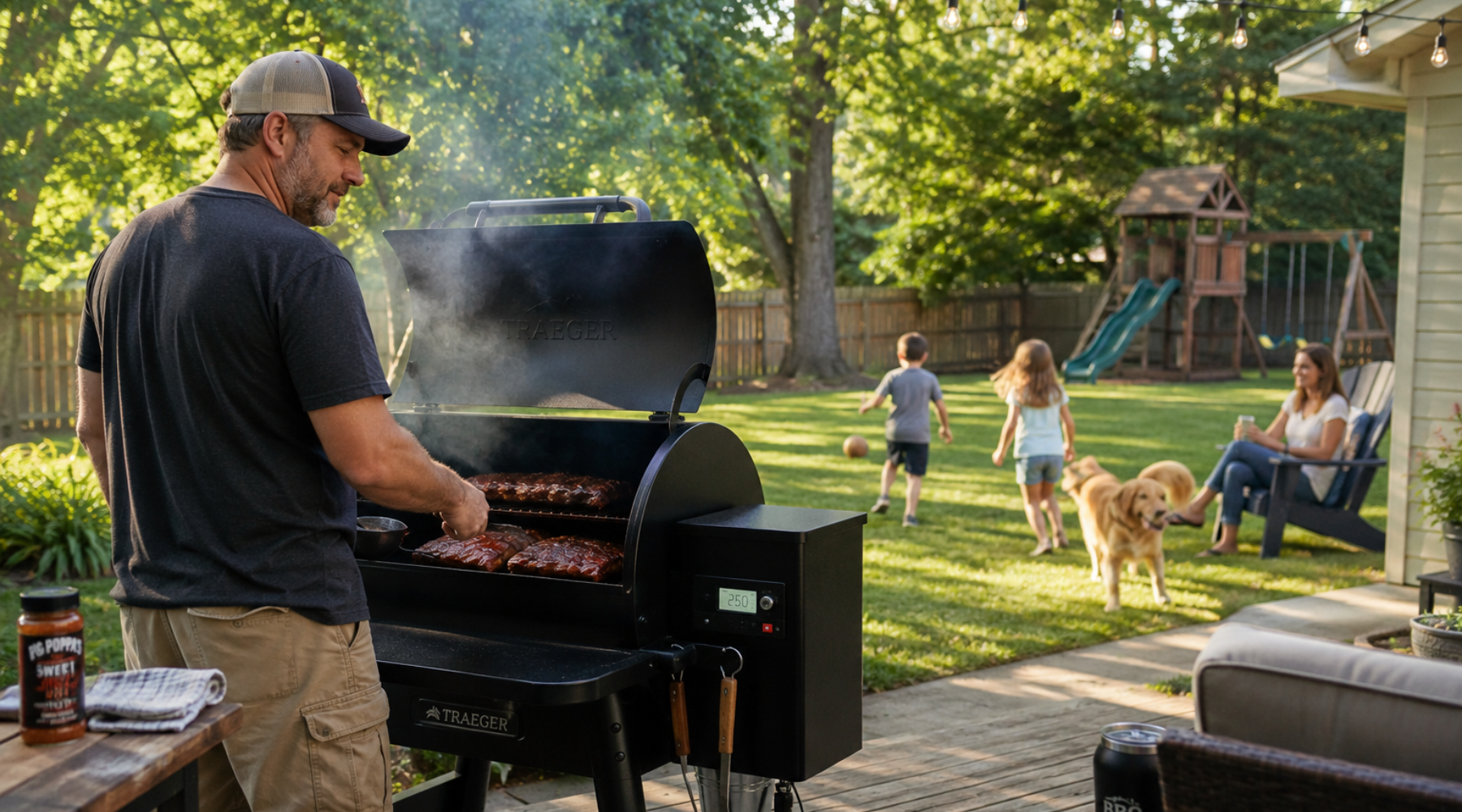
Pellet smokers excel at consistency, set-and-forget cooking, and temperature precision without constant attention. Load pellets, set your target temp on the digital controller, and walk away. The auger feeds pellets automatically, the thermostat maintains heat, and you get predictable results every time. For busy pitmasters juggling family, work, and cooking, this is invaluable.
Most quality pellet smokers hold temperature within 5–10 degrees of your setpoint — electronically. You can walk away for hours on a long cook, which means you can prep sides, spend time with guests, or simply relax. Big Poppa Smokers recommends pellet smokers for pitmasters who value reliability over learning curve.
Can you really leave a pellet smoker unattended?
Yes — within reasonable limits. Most quality pellet smokers hold temperature within 5–10 degrees of your setpoint. You can walk away for hours. But Big Poppa Smokers still recommends checking every 4–5 hours on long cooks — not for heat management, but to verify the auger is feeding and pellets haven't run out. This isn't required for safety, but it's good practice.
What's the maintenance commitment?
Pellet smokers require regular cleaning — ash from burned pellets accumulates in the firebox. Drums require grate cleaning and occasional resealing of the dome with high-temp sealant. Pellets win on overall maintenance load in-season. Neither is demanding, but pellets need more frequent attention in the off-season to prevent pellet bridging and auger jams.

Temperature Control: Drum vs Pellet Smoker Precision
Pellet smokers hold temperature more consistently on paper, but a well-tuned drum smoker can match that consistency in real-world cooking. The difference is that pellets do it electronically while drums rely on vent management and pit sense. If you're chasing +/- 5 degrees, pellets win. If you're comfortable with +/- 15 degrees and don't mind adjusting vents every 30 minutes, a drum works just as well for actual cooking.
Big Poppa Smokers has held 225°F consistently on a drum with nothing but vent adjustments. It requires attention, but it's doable. The learning curve builds confidence and understanding that translates to any cooker you ever use.
How long does it take to dial in a drum smoker?
Most cooks nail it in 3–5 cooks. Big Poppa Smokers recommends your first cook as a learning session — accept that temps will fluctuate. By cook #3, you'll understand how much to open vents, when to add charcoal, and how your specific drum behaves in different weather. This learning curve is actually an advantage if you want to understand heat.
Fuel, Smoke, and Flavor
Charcoal in a drum produces cleaner, more intense smoke flavor than pellets in a hopper. Charcoal burns consistently and produces steady, predictable smoke. Pellets can produce inconsistent smoke — sometimes you get great smoke, sometimes thin smoke depending on pellet quality, hopper design, and weather. Big Poppa Smokers prioritizes smoke quality, which means drums win on flavor consistency.
Smoke flavor matters. It's the difference between "good BBQ" and "BBQ that wins competitions." Drums deliver because charcoal is charcoal — quality is consistent. Pellet quality varies by brand and batch, and hopper design affects how efficiently pellets burn and produce smoke.
Which smoker burns more fuel?
Pellets burn faster on average — you'll use more total fuel on a 12-hour cook. Charcoal in a drum lasts longer per pound. If you're running weekly cooks, charcoal costs 30–40% less over a year. For occasional cooks, the difference is negligible. For competition or catering, fuel economy becomes significant.
| Criteria | Drum Smoker | Pellet Smoker |
|---|---|---|
| Initial Cost | $200–$400 | $500–$1,500 |
| Fuel Cost/Year (weekly) | $150–$300 | $400–$600 |
| Temperature Control | Manual (+/- 15°F) | Electronic (+/- 5°F) |
| Bark Quality | Superior | Good |
| Learning Curve | 3–5 cooks | 1–2 cooks |
| Active Management | Required (vent adjustments) | Minimal (check every 4–5 hrs) |
| Maintenance | Grate cleaning, dome seal | Ash cleaning, auger maintenance |
| Best For | Learning, competition, bark | Convenience, weeknight cooking |
Drum Smoker vs Pellet Smoker: The Real Decision Framework
Forget the debate. Ask yourself these three questions and the choice becomes obvious.
- Do you want to learn heat control or prefer set-and-forget cooking? Drums teach you the fundamentals. You'll understand how heat moves, how vents work, how to read meat. Pellets let you skip the learning curve and execute perfectly on busy weekends. Both approaches produce great BBQ — choose based on whether you want mastery or convenience.
- Is bark or consistency your priority? Drum = thick, crunchy competition bark. Pellet = consistent, precise, reliable results. Bark is king in competition. Consistency is king for catering and regular entertaining.
- How much do you cook and what's your budget? Frequent cooking + tight budget = drum. Occasional cooking + convenience budget = pellet. If you cook weekly and care about long-term fuel costs, a drum is an investment that pays back. If you cook monthly and value your time, a pellet smoker is worth the premium price.

Frequently Asked Questions About Drum and Pellet Smokers
Drum smokers excel at bark, heat control learning, and long-term cost. Pellet smokers excel at consistency and convenience. Choose based on your BBQ priorities — competition bark and learning favor drums; weeknight ease and precision favor pellets.
A Big Poppa Smokers drum smoker kit starts around $200. Mid-range pellet smokers start around $500–$800. Charcoal fuel is cheaper long-term than pellets, so drum smoker operating costs stay significantly lower over time.
Yes. A well-tuned drum smoker holds 225–275°F as consistently as a pellet smoker. The difference is method — vents and pit sense vs electronic controls. Both methods work — it's a choice between manual and automatic.
Bark development, fuel efficiency, and price. Drum smokers build thicker bark and use less fuel. They also teach you heat control fundamentals that translate to any cooker you ever use.
Yes — a drum smoker is cheaper and teaches you heat control fundamentals. Big Poppa Smokers recommends starting with a drum to learn before upgrading to specialty equipment.
Recipes We Think You'll Love
Ready to Choose Your Smoker?
Head to the BBQ Fundamentals hub for more gear guides, browse the recipe collection, check out our drum smoker selection, stock up on premium rubs and seasonings, or watch technique videos on the Big Poppa Smokers YouTube channel.

Big Poppa Smokers has been helping pitmasters and backyard cooks level up for over 15 years. From our premium rubs and sauces to our legendary Drum Smokers, everything we make is built to make your food better — whether you're in the backyard or on the competition circuit. Learn more about Big Poppa Smokers | Shop the full lineup.


1 comment
I used a pellet smoker for eight years. I realized that smoking on the Weber Kettle was more fun and tasted better. I gave my Traeger away and acquired a barrel cooker. I’ve never looked back. I can do everything I want between the Kettle and Barrel. It’s a blast!
Todd
Leave a comment
This site is protected by hCaptcha and the hCaptcha Privacy Policy and Terms of Service apply.