



Winter Backyard BBQ: Grill in the Cold Without Losing Flavor
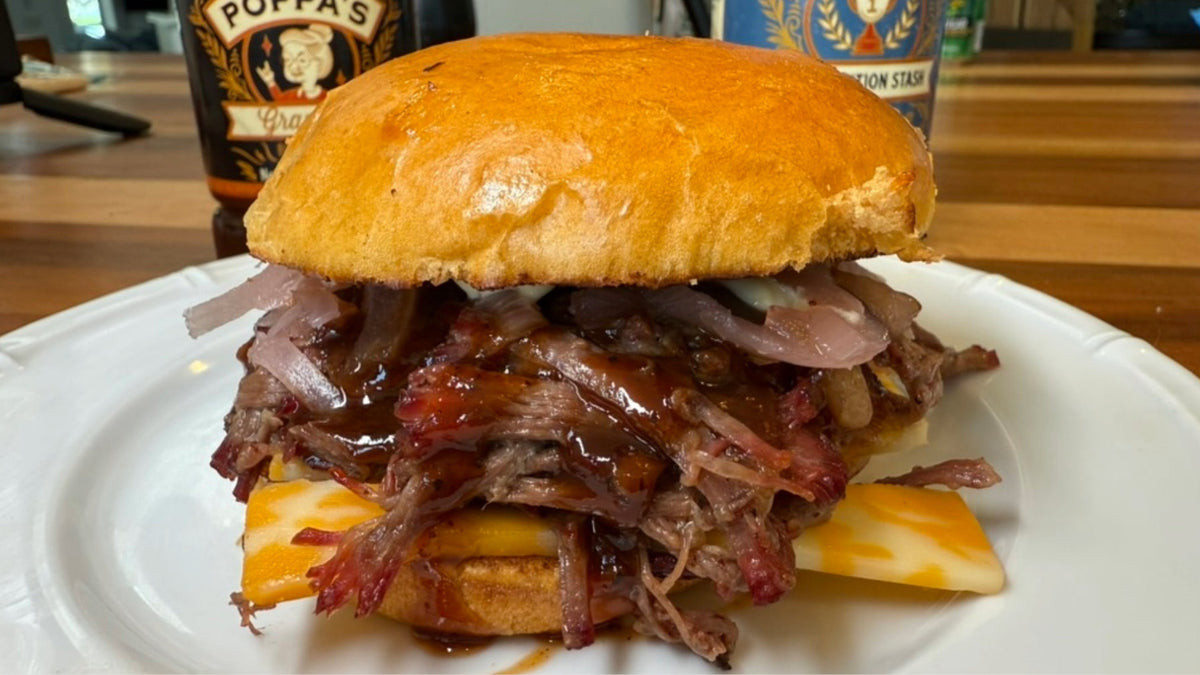
January doesn’t cancel cooking season at Big Poppa Smokers. It just raises the stakes. Winter backyard BBQ means fighting wind, cold steel and damp fuel for every degree, and most cooks lose flavor long before they lose heat. Bark goes soft, smoke tastes stale, and the brisket takes three extra hours nobody planned for. This guide fixes that. You’ll learn how to winterize your smoker, set up a cook station that blocks wind without trapping exhaust, hold steady temps on pellet, drum and gas cookers, and season so the cold never mutes your rub. Real pitmasters have no off switch. Here’s how to keep yours on.
The bottom line: Cold air doesn’t ruin winter BBQ. Unmanaged heat loss does. Seal your gaskets, insulate with fire-rated material, block the wind on the upwind side, and never cook in an enclosed space. Preheat 35 to 50 minutes, read temps at the grate, and budget 25 to 50 percent more fuel. Use a binder, inject big cuts and sauce late, and your January cook will taste like July.
Why Does Cold Weather Steal Flavor From Your BBQ?
Cold weather steals flavor by stealing heat. Every gust of wind pulls energy off the cooker, so temperatures swing, the fire burns dirtier while it chases the set point, and the meat spends hours in a stop-and-start cook. Swinging temps mean uneven bark, bitter smoke and a surface that dries out before the inside is done.
Big Poppa Smokers has cooked through more cold competition mornings than anyone wants to count, and the pattern never changes. Clean, steady fire produces clean smoke flavor. Choked, struggling fire produces creosote-heavy smoke that coats the meat with a bitter edge.
Does cold weather change how smoke flavor sticks?
Cold meat on a cold grate actually takes smoke well early on, because smoke compounds cling to cool, moist surfaces. The problem shows up later. If the cooker keeps dipping and recovering, the fire smolders, and smoldering wood produces the stale, acrid smoke you can taste. Steady heat is the real flavor tool.
Here’s the quotable version: in winter BBQ, temperature stability is flavor. Control the heat loss and the rub, smoke and bark take care of themselves.
How to Winterize Your Smoker Before the First Cold Cook
To winterize your smoker, seal the leaks first, then insulate. Replace brittle gaskets and tighten loose latches, because most heat escapes at seams. Then add a fitted insulation jacket or a fire-rated welding blanket, keeping vents, chimneys, hoppers and electronics completely clear. Those two steps deliver the biggest stability gain per dollar.
Purpose-built jackets: the best fit
If your cooker’s maker offers a fitted jacket, start there. It’s designed around the vents, chimney and control panel, so airflow stays intact. That matters for both temperature control and safety.
Fire-rated welding blankets: the universal option
A fire-rated welding blanket is a winter MVP, especially for drums and offsets without a model-specific jacket. Secure it with high-temp straps or bungees, and keep it off intakes and exhaust. For drum builders, Big Poppa Smokers stocks gaskets, latches and parts in its drum smoker accessories lineup.
| Option | Best For | Why It Helps | Watch Outs |
|---|---|---|---|
| Fitted jacket | Pellet grills, some cabinets | Easy on and off, steady temps | Model-specific sizing |
| Welding blanket | Drums, offsets, universal | High insulation, flexible fit | Never cover vents, exhaust or electronics |
| Gaskets and latches | Every smoker | Stops seam leaks and heat bleed | Replace when brittle or peeling |
Safety Note: Never use household fiberglass or unrated insulation against hot metal. Keep every wrap away from burners, igniters, control boards, hopper motors and exhaust openings.
Expert Tip: The best winter upgrade is boring. A gasket kit, a fire-rated blanket and disciplined lid control will reduce temperature swings more than any gadget. Big Poppa Smokers runs its drums this way all winter, and if you’re building your first one this season, the Big Poppa’s DIY Drum Smoker Kit ($199.99) gives you a thick-walled steel cooker that holds heat better than most thin-walled backyard grills.
Wind, Snow and Moisture: Set Up a Winter Cook Station
A good winter cook station blocks wind, sheds moisture and keeps exhaust moving. Put a solid windbreak on the upwind side, a few feet from the cooker, set the pit on a stable, non-slip surface, and keep fuel dry in airtight storage. Never move the cook into a garage or enclosed shelter to escape the weather.
Wind is the big one. A plywood sheet, a folding table on its side or a heavy panel upwind can cut convective heat loss dramatically. Keep it far enough back that radiant heat won’t scorch it, and make sure smoke has a clear path out.
Use this checklist before you light:
- Clear snow and ice from around the smoker and your walking path
- Set the cooker on level, non-slip ground or pavers
- Store pellets and charcoal in airtight containers indoors
- Stage a headlamp, gloves and a spare fuel bag within reach
- Cover the cooker only after it cools, so you don’t trap moisture inside
Safety Note: Carbon monoxide is real. A covered patio with open sides is fine; an enclosed garage, shed or porch is not, even with the door open.
Cold-Weather Temperature Control on Pellet, Drum and Gas
Cold-weather temperature control comes down to a longer preheat, an accurate probe at grate level and a fuel plan built for the extra burn. Give the metal 35 to 50 minutes to heat soak, trust the grate probe over the dome thermometer, and keep the lid shut. Every peek costs you recovery time you can’t afford in January.
Follow these steps every cold cook:
- Preheat longer. Plan 35 to 50 minutes depending on the cooker’s mass, insulation and wind.
- Probe at the grate. Clip a pit probe near the meat, out of the direct heat stream. Dome readings run low in the cold.
- Load only after temps stabilize. A cooker that’s still climbing will overshoot once the meat goes on.
- Batch your lid lifts. Spritz, probe and check in one trip instead of three.
- Budget fuel. Expect 25 to 50 percent more pellets, charcoal or propane than a summer cook.
Can I grill on a gas grill when it’s below freezing?
Yes. Cold drops propane tank pressure, so keep a spare tank, preheat with the lid closed and expect lower peak temps. For steaks, a reverse sear works great on gas in winter. The BPS reverse-seared gas grill steak is built for exactly that.
For more on running a pellet cooker in any season, read the pellet smoker guide, and grab Big Poppa’s 10 winter BBQ tips for cold-weather technique.

Keep the Flavor: Rubs, Injections and Sauce in the Cold
To keep flavor in winter backyard BBQ, help the rub stick, protect moisture on long cooks and time the sauce. Use a thin binder so seasoning grips cold meat, inject big cuts before they go on, and brush sauce on during the last 30 minutes. Cold, dry air and extra hours are the enemy; your seasoning plan is the defense.
Rub it right on cold meat
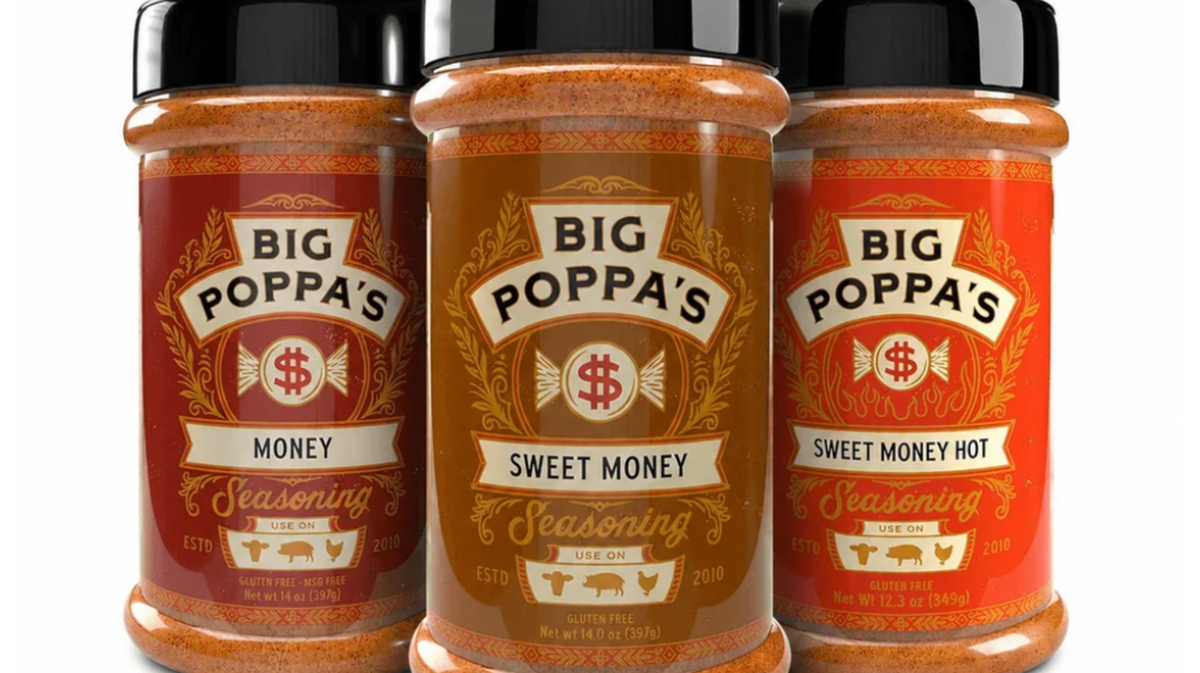
Cold meat straight from the fridge is slick, and rub slides off. Pat it dry, add a light binder, season, and let it rest 20 to 30 minutes while the cooker heat soaks. The salt starts working and the rub tacks up. For beef, Big Poppa’s Cash Cow Seasoning (13oz, $15.99) is the January workhorse, a beef seasoning built for brisket, chuck roast and burgers. For pork, chicken and anything you want a little sweet, Big Poppa’s Sweet Money Seasoning (14oz, $15.99) is the all-purpose pick.
Inject the big cuts
A brisket or chuck roast can spend two or three extra hours on the smoker in the cold. Injection puts seasoned moisture inside the meat so those hours don’t dry it out. Big Poppa Smokers recommends Big Poppa’s Cattle Prod Beef Injection (19.7oz, $20.99) for beef. Mix it, inject in a grid about an inch apart, and wipe off any runoff before you rub. Browse every option in Big Poppa’s injections collection.
Expert Tip: Inject with warm liquid, not cold. Mix your injection with warm water so it flows easily and doesn’t chill the center of the meat. That’s a competition habit Big Poppa Smokers brings to every winter brisket, and with Cattle Prod it means a juicier slice even when the cook runs long.
Sauce late
Sugar scorches when the cook drags on. Hold the sauce until the final 30 minutes, then brush on a thin layer and let it set. Big Poppa’s Granny’s BBQ Sauce (18oz, $8.99) gives you a classic sweet-tangy glaze that finishes ribs, chicken and chuck roast clean.
Winter Cooks That Reward the Cold
The best winter backyard BBQ cooks are big, forgiving cuts that like a long, steady fire: chuck roast, brisket, short ribs and pork butt. They tolerate small temperature swings, they feed a house full of playoff fans, and the leftovers turn into chili, sandwiches and casseroles all week. Winter rewards patience, and these cuts pay it back.
What’s the best thing to smoke on a cold Saturday?
Chuck roast. It cooks faster than a full brisket, delivers that same beefy, pull-apart payoff, and costs less, which matters after holiday spending. Big Poppa’s Jack & Coke Chuck Roast is a set-it-and-check-it cook that lets you watch the game instead of the pit. Have more time? Run a full brisket with Big Poppa’s hybrid foil boat method.
Leftovers are part of the plan. Turn extra smoked beef into a smoked Cornbread Chili Pie on Sunday and you’ve fed the family twice off one fire. New to long cooks? Start with the beginner’s guide to low and slow, then browse the Learn BBQ hub for the full Big Poppa Smokers library of technique and gear.
Winter Maintenance: Seals, Grease, Ash and Electronics
Winter maintenance keeps every winter backyard BBQ cook predictable. Check seals and gaskets, scrape grease before long cooks, empty ash more often because it holds moisture, and protect cords and controllers from wet ground. Cold amplifies small problems: a loose latch becomes a constant heat leak and congealed grease becomes a flare-up.
- Seals and gaskets: replace any that are brittle, cracked or peeling
- Grease: scrape drip paths and empty buckets before every long cook
- Ash: clear it after each cook; wet ash restricts airflow and rusts steel
- Electronics: keep cords off wet ground and cover controllers after cooling
- Fuel: airtight containers for pellets, dry storage for charcoal
Want the full routine? Big Poppa Smokers covers it step by step in the smoker maintenance guide. Stay on it through February and your pit is ready the day spring shows up.
Winter Backyard BBQ FAQs
It is worth it. Cold weather slows the cook, but it does not hurt the food if you manage heat loss. Winter is prime time for chuck roast, brisket, short ribs and chili, the cuts that reward a long, steady fire. Big Poppa Smokers cooks year-round, and the pitmasters who keep cooking in January show up to spring already sharp.
Protect the surface and the inside. Use a binder so the rub grips cold meat, inject large cuts so long cooks do not dry them out, and keep the lid closed so smoke and humidity stay in the chamber. A water pan filled with warm water helps too. Sauce goes on at the end, not the beginning, so the sugar does not scorch.
Wrap the cook chamber with a fire-rated welding blanket and leave the hopper, fan intake, controller and exhaust completely clear. Upgrade worn lid gaskets, set up a windbreak on the upwind side, and store pellets indoors in an airtight container. Damp pellets burn unevenly and can jam the auger.
Plan on roughly 25 to 50 percent more fuel, depending on wind and temperature. Pellet smokers usually see the biggest jump because of their thin walls. Insulated drums and kamado-style cookers burn less extra fuel. Keep a full backup bag of pellets or charcoal, or a spare propane tank, before you light.
No. A garage is an enclosed space even with the door up, and it can trap carbon monoxide and smoke. Always cook outdoors in open air with safe clearance from walls, eaves and anything that can burn. A covered patio with open sides is fine; a closed structure is not.
Yes. A water pan adds thermal mass and humidity, which helps the cooker hold a steady temperature and keeps the meat surface from drying out. Fill it with warm water, not cold, so you are not shocking the chamber and stretching your recovery time every time you check it.
Recipes We Think You’ll Love
- The BEST Jack & Coke Chuck Roast | Drum Smoker Sandwich Recipe
- The BEST Way to Smoke a Brisket (Big Poppa’s Hybrid Foil Boat Method)
- Easy Cornbread Chili Pie (Smoked Comfort Food Casserole)
- Easy Chipotle Chili
- The BEST Gas Grilled Steak | Reverse Seared New York Strip & Ribeye

No Off Switch: Fire It Up This Weekend
Pick one cook, block the wind and keep the lid shut. Dig deeper in the Learn BBQ hub, find your next cook in the Big Poppa recipe library, restock with Big Poppa’s rubs, and watch Sterling cook on the Big Poppa Smokers YouTube channel. Running low mid-cook? Big Poppa goes wherever you cook, so find Big Poppa near you. Free shipping kicks in at $79.

Big Poppa Smokers has spent 15+ years helping backyard cooks and competition pitmasters put better BBQ on the table. Led by BBQ Hall of Famer Sterling “Big Poppa” Ball, with 90+ Grand and Reserve Grand Championships behind every recipe, we build premium rubs and sauces and the drum smokers we actually cook on. Learn more | Shop.
Keep learning in the Learn BBQ hub from Big Poppa Smokers.
Updated on November 19, 2026

Leave a comment
This site is protected by hCaptcha and the hCaptcha Privacy Policy and Terms of Service apply.