

10 Winter BBQ Tips
How to Grill & Smoke Like a Pro in Cold Weather
Most backyard cooks pack up their grills when temperatures drop. But winter BBQ isn’t a punishment—it’s a competitive edge. Cold air creates cleaner smoke, bark sets beautifully, and winter cooks sharpen your fire-management skills faster than any summer session. If you want to improve your results, build confidence, and serve unforgettable food even when the thermometer dips, these winter BBQ tips will help you grill and smoke like a pro.
This guide is part of our BBQ Fundamentals, your home base for mastering foundational techniques, choosing the right tools, and getting step-by-step coaching from Big Poppa Smokers. Whether you’re cooking on a pellet grill, drum smoker, gas grill, or charcoal pit, these winter strategies will help you stay warm, stay consistent, and stay in control.
Tip 1: Understand How Cold Weather Affects Your Cooker
Winter changes everything: fuel consumption, vent behavior, airflow, and heat retention. Cold metal loses heat faster, and your cooker works harder to maintain temperature. You’ll burn more pellets, charcoal, or wood than you would in warmer months—typically 20–30% more.
The Real Enemy? Wind.
Snow isn’t the problem. Wind is. Wind strips heat, oxygenates the fire unpredictably, and destabilizes your pit. Whenever possible, position your cooker so the vents don’t face the wind and use natural barriers like walls or fences.
Want help choosing the right method for cold weather? Visit our blog: Grilling vs. Smoking: Which Method Should You Use?
Tip 2: Preheat Longer to Stabilize Your Cooker
If you normally give your pit 10–15 minutes to warm up, double it in winter. The goal is not just to reach temperature—it’s to stabilize all the metal components so the cooker isn’t fighting itself.
Pit-Specific Advice
- Pellet grills: Expect 20–25 minutes for a true stabilization. Let the temp overshoot and settle.
- Drum smokers: Build a slightly larger initial coal bed. Let it “blue smoke” before adding meat.
- Gas grills: Preheat on medium-high longer than normal to warm the grates fully.
A stable preheat reduces temp swings, fuel waste, and bitter smoke.
Expert Tip: Use a leave-in thermometer (ThermoWorks tools or similar) to monitor pit stabilization without opening the lid—your greatest heat loss culprit in winter.
Tip 3: Choose Fuel That Performs Well in Cold Conditions
Winter amplifies the difference between high-quality fuel and cheap options. Damp pellets or low-density charcoal struggle to burn efficiently, causing temperature dips.
Pellet Grill Advice
Store pellets indoors and only fill the hopper with what you’ll use that day. Cold, damp pellets burn unevenly.
Charcoal & Drum Smoker Advice
Use dense briquettes or premium lump charcoal for longer, hotter burns. This is where the Big Poppa Drum Smoker excels—tight construction and efficient airflow help stabilize temp even in winter.
Explore the drum kit: Big Poppa Smokers Drum Smoker Kit
Tip 4: Manage Wind Like a Pitmaster
Wind is the number-one challenge in winter BBQ. You can’t stop it, but you can outsmart it. Optimal wind strategy can turn a frustrating cook into a flawless one.
Wind Management Strategies
- Use your house, shed, or fence as a natural wind block.
- Never face your vents into the wind—the fire will surge unpredictably.
- If needed, rotate the cooker during preheat to find stable airflow.
- Avoid enclosing your smoker—this creates carbon monoxide risk.
If temp swings are a recurring issue, read our guide: Troubleshooting BBQ Temperature Problems
Tip 5: Keep the Lid Closed and Trust Your Thermometer
Every time you open the lid, your pit loses 25–50 degrees. In winter, the recovery time is even longer. Monitoring temps with quality tools is essential to maintaining control.
Recommended Thermometer Tools
- Leave-in probe system for pit and protein monitoring
- Instant-read thermometer (ThermoWorks Thermapen)
Never rely on “feel.” Winter cooks require precision.
Tip 6: Prep Indoors and Work Efficiently Outside
You should spend as little time as possible outside. Trim, season, and rest your protein indoors. Keep rubs, injectors, spritz bottles, and tools warm before heading out.
Expert Tip: Warm spritz liquids (not hot) to prevent freezing during long cooks.
For timeline planning, visit: BBQ for a Crowd: Planning & Timeline Strategies
Tip 7: Dress for Success—Safety First
You’re managing fire and hot metal in slippery, dark, and windy conditions. Dress like you’re cooking in a competition—not on a quick summer afternoon.
Suggested Gear
- Insulated, wind-blocking jacket
- Non-slip boots
- Neoprene BBQ gloves: Shop Neoprene Gloves
- Cotton glove liners: Shop Cotton Gloves
Tip 8: Use Cold-Weather Flavor Strategies
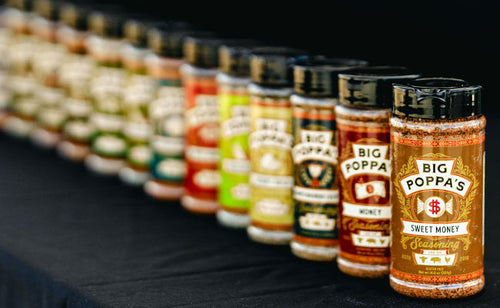
Winter BBQ benefits from bold, layered flavor because cold air tightens aromas and dampens mild seasonings. Big Poppa Smokers rubs are engineered for depth and balance that holds up in winter cooks.
Winter-Friendly Rub Suggestions
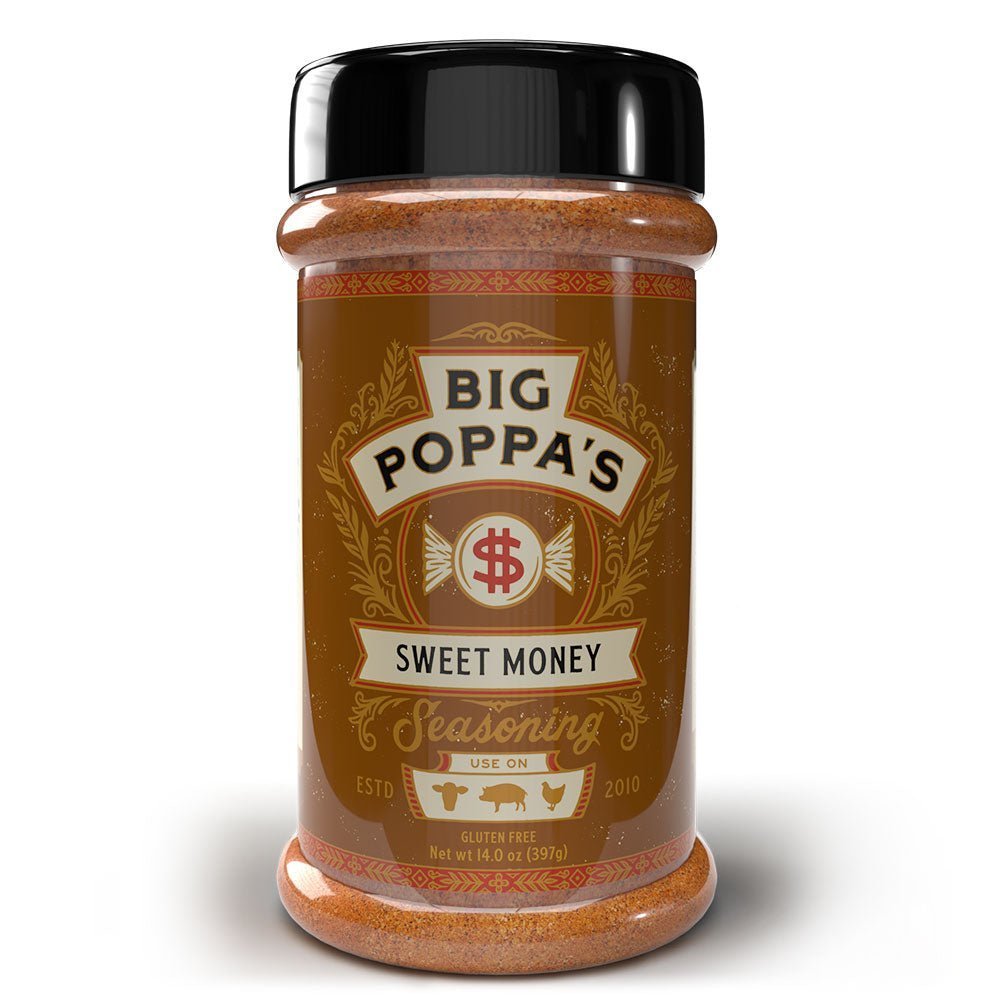
- Sweet Money for pork and chicken
- Money for all-purpose use
- Cash Cow for brisket and beef ribs
- Desert Gold for poultry, potatoes, and vegetables
For more pairing advice, read: BBQ Rub Pairing with the Right Protein
Tip 9: Adjust Your Protein Strategy
Bigger cuts thrive in winter because they retain heat better and are more forgiving during temp swings.
Best Winter Proteins
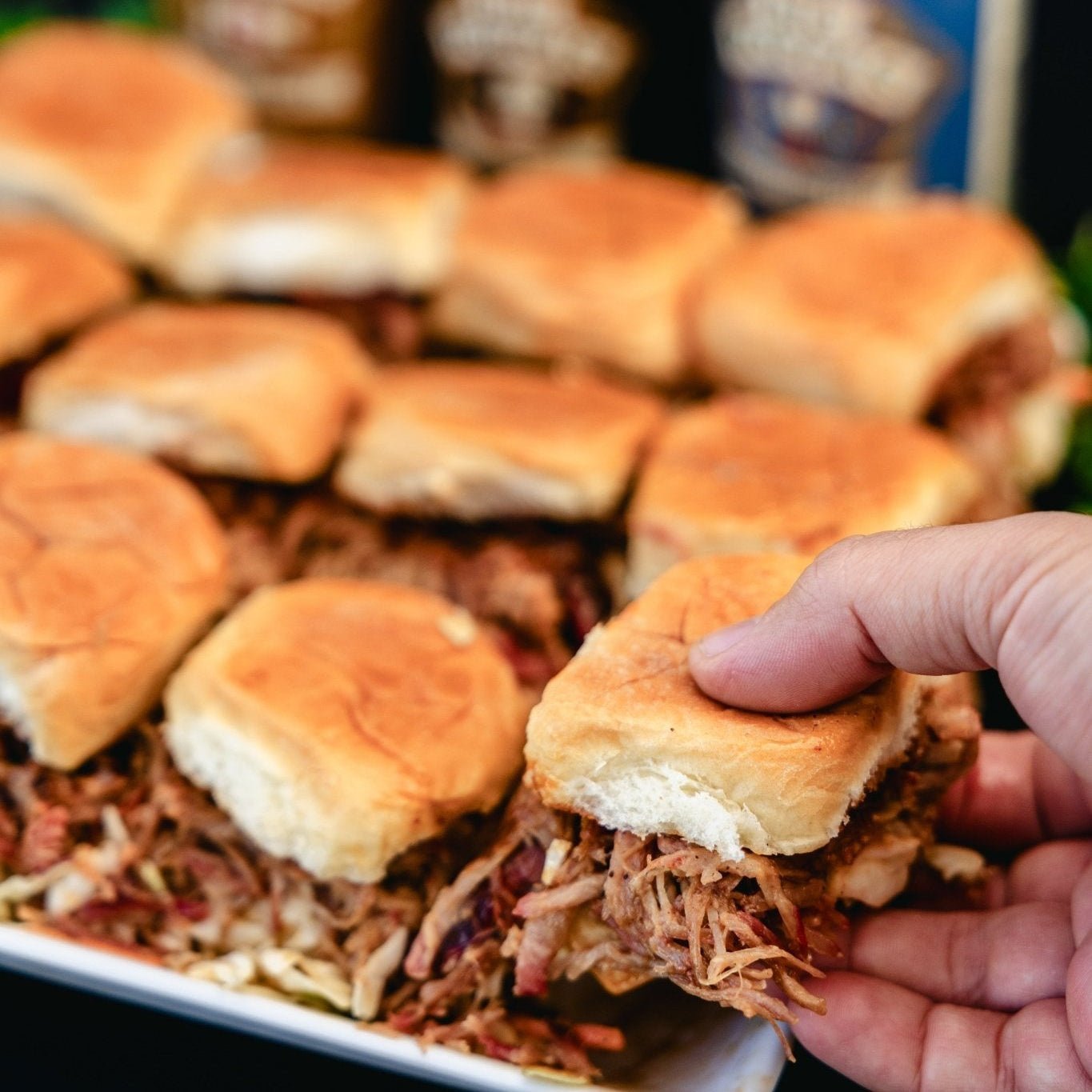
- Pork shoulder with Sweet Money
- Brisket seasoned with Cash Cow
- Whole chicken with Desert Gold
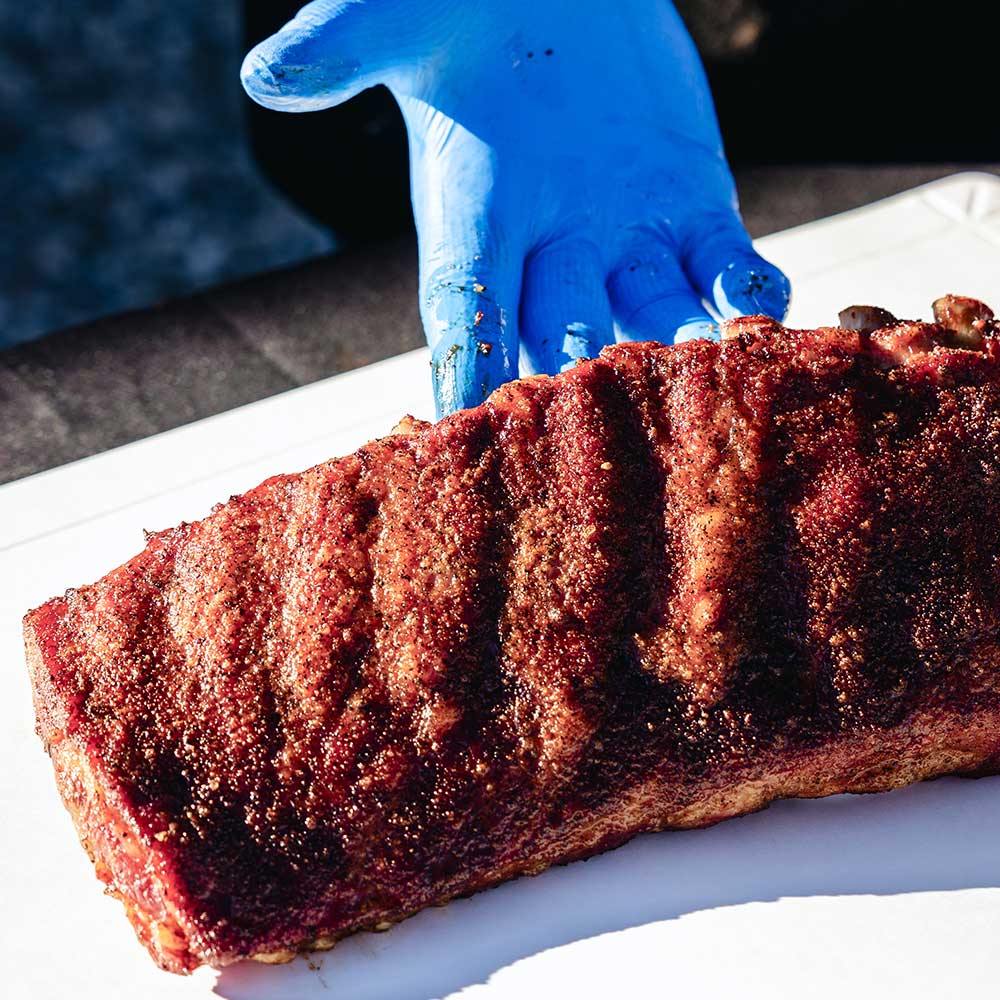
- Baby back or spare ribs using Money + Good Luck
See our recipe inspiration in Poppa’s Corner: Poppa’s Corner Recipes & Techniques
Tip 10: Rest, Hold, and Evaluate Every Cook
Once your meat finishes cooking, the cold air is your new opponent. Resting and holding becomes even more important to protect tenderness and moisture.
Winter Resting Strategy
- Wrap meat in foil or butcher paper once done.
- Place in a room-temperature cooler.
- Wrap with towels for insulation.
- Rest brisket or pork shoulder at least one hour.
For additional guidance, check: How to Store & Reheat Leftover BBQ
Frequently Asked Questions
1. What are the most important winter BBQ tips for consistent results?
Preheat longer, protect your cooker from wind, use high-quality fuel, keep the lid closed, and monitor temperatures with reliable thermometers. These winter BBQ tips ensure control and consistency.
2. Does cold weather increase cook time?
Yes. Expect a 10–20% increase depending on wind, moisture, and outside temperature. Larger cuts like brisket and pork shoulder absorb fluctuations better.
3. Can I smoke meat in the snow?
Absolutely. Snow itself is harmless. Wind is the enemy. As long as your cooker is safely positioned and ventilated, snow cooks beautifully.
4. What seasonings work best for winter BBQ?
Bold, balanced rubs like Sweet Money, Money, Cash Cow, and Desert Gold shine in cold-weather cooks. Their layered flavor stands up to winter conditions.
5. How do I keep my grill temperature steady in winter?
Use more fuel, stabilize during a long preheat, shield from wind, and avoid opening the lid. Winter BBQ tips like these help maintain steady pit temps.
Ready to Become a Better Winter Cook?
You now have the strategies to grill and smoke confidently all winter long. If you want to explore deeper skills or try new recipes, Big Poppa Smokers has the resources to help you keep improving.
- Shop Rubs & Seasonings
- Shop BBQ Sauces
- Explore Poppa’s Corner Recipes
- Visit the BBQ Fundamentals
- Join Big Poppa's YouTube Channel
About Big Poppa Smokers
For more than 15 years, Big Poppa Smokers has been the trusted source for championship-level rubs, sauces, drum smokers, and backyard BBQ expertise. With more than 90 GC and RGC titles—including the American Royal—BPS blends fun, innovation, and proven flavor to help every cook succeed. Learn more or shop now.

Leave a comment
This site is protected by hCaptcha and the hCaptcha Privacy Policy and Terms of Service apply.